Buying a Used Motorhome with Confidence

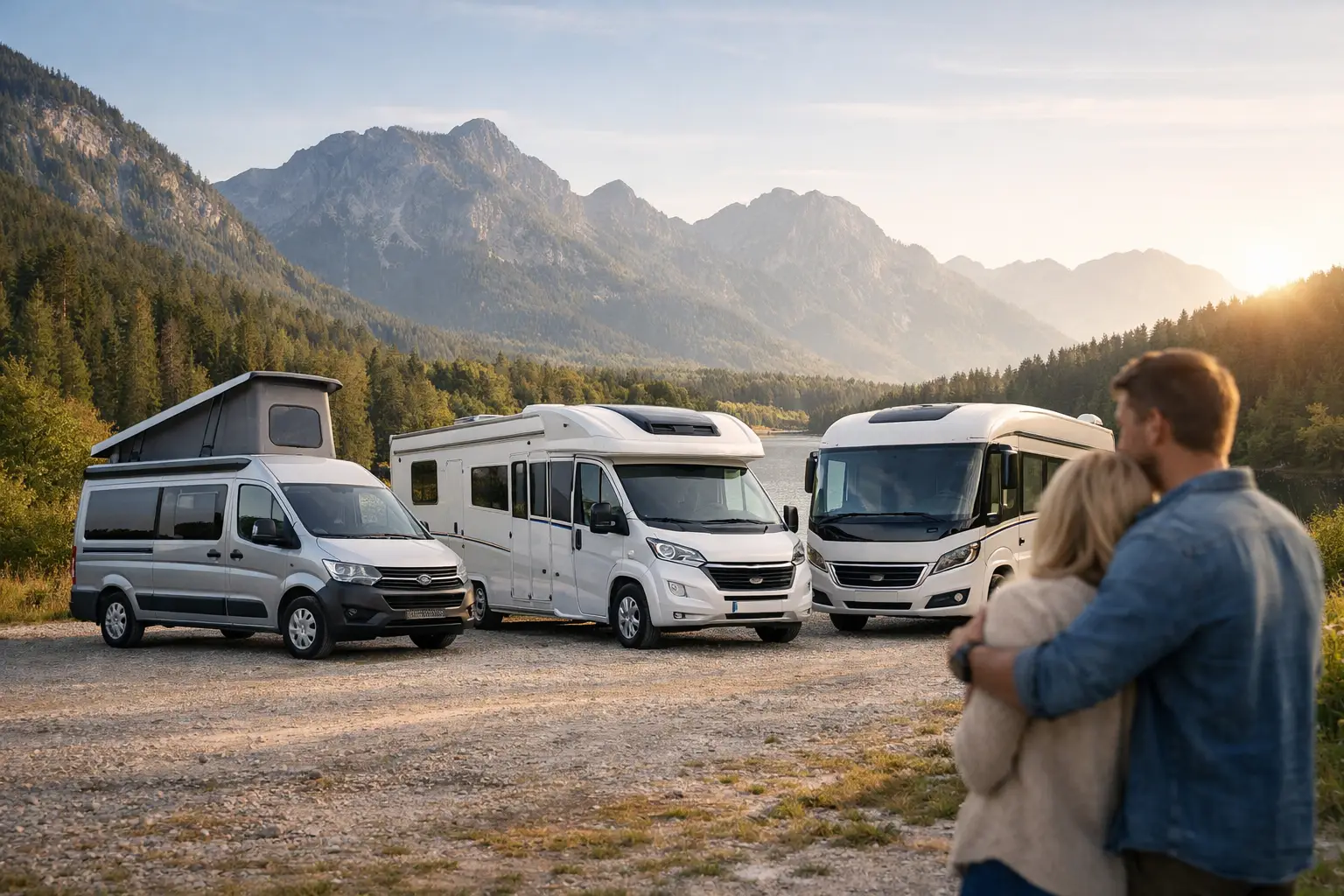
A used motorhome shouldn't just look good at first glance. It should take you reliably to the sea, the mountains or simply on a long weekend to the Lower Rhine. If you want to buy a used motorhome with confidence, you therefore look more closely: at the technical condition, traceable documents, a fair price and above all the seller behind the vehicle.
The advantage of a used motorhome is obvious: it is often available at short notice, already sensibly equipped and cheaper than a new vehicle. At the same time, every vehicle has its own history. A thorough check is not distrust but the best route to a purchase that still feels right after many kilometres.
Buying a used motorhome with confidence starts with the seller
A tidy vehicle photo and a low price are not enough to base a decision on. Reputable dealers take time for questions, show you the motorhome from more than the outside and are open about the vehicle's history. That includes the registration certificate (Zulassungsbescheinigung), operating manuals, invoices for servicing and repairs, and proof of the last TÜV inspection (Hauptuntersuchung).
Check whether the details in the advert and on the vehicle match. Year of manufacture, mileage, number of previous owners, engine and permitted gross weight should be clearly stated. A clear description of signs of wear is also part of an honest offer. A used motorhome may have small flaws – what matters is that it doesn't become guesswork.
With a specialist motorhome dealer, you also benefit from expertise that goes beyond selling vehicles. Questions about watertightness, the gas system, battery, body and upgrades can be answered there directly. At Friedas Camper in Kempen, sales, workshop and service come together. That means short distances if something still needs checking, servicing or adding to your own specification before handover.
These are the documents you should see
Don't just have the documents handed over – take time to read them. A complete service book or folder of invoices is especially valuable. It shows whether oil changes, timing belt changes on relevant engines, brakes, tyres or repairs have been done regularly.
A current TÜV inspection report can give clues about earlier defects. With motorhomes, the gas system inspection is also an important topic. It doesn't replace an overall technical check, but it shows that the previous owner or dealer has looked after the system. Also ask about any warranty terms and which work will still be carried out before handover.
Check the body thoroughly: moisture is the crux
The engine is important, but with a motorhome the body often determines the long-term value. Penetrating moisture can damage walls, floor and furniture without the damage being visible straight away. So check every area where water could find its way in: roof vents, windows, doors, service hatches, awning rails and the transitions between cab and living cabin.
Inside, watch for a musty smell, discolouration, wavy wall surfaces and soft spots. Open cupboards, look under seat cushions and lift carpets or mats if possible. Press carefully at the corners of the floor and around windows. If something feels yielding, it should be examined more closely.
A professional moisture check with a measurement report is especially sensible for older vehicles. One thing to remember: a single raised reading is not automatically a deal-breaker. What matters is where it occurs, how high it is and whether the cause has been properly fixed. A seller who informs you transparently makes it easier for you to weigh up opportunities and risks realistically.
Don't just switch the technology on – test it
A viewing should involve more than a quick look at the living area. Test taps, toilet, fridge, heating, boiler, lighting, sockets and all windows including fly screens and blinds. Have it shown to you how the fresh and waste water tanks work and where you change gas bottles or connect the power.
Check the tyres for age, tread depth and visible cracks. On low-mileage motorhomes, tyres can be too old despite good tread. Also take a look under the vehicle: traces of oil, heavy corrosion, damaged underbody panels or conspicuous spots on the exhaust are reasons to ask more questions.
With panel vans, take a look at the sliding door and rear doors; with semi-integrated and integrated models, at the seals, roof connections and large windscreens. The typical weak points differ depending on the construction. That is exactly why it helps if a specialist can explain the particularities of the model you want.
The test drive shows whether vehicle and daily life fit together
You don't buy a motorhome with your eyes alone. On the test drive you notice whether the seating position, visibility, gear change and handling suit you. Don't just do a short loop on flat roads. If possible, include city traffic, a country road, firmer braking and a stretch at higher speed.
Listen for unusual noises when starting, steering and braking. Does the vehicle pull to one side when braking? Do any warning lights come on? Do the air conditioning, reversing camera or parking aid work? Beginners in particular should also dare to manoeuvre once. A vehicle can be technically flawless and still not suit your driving feel or your style of travel.
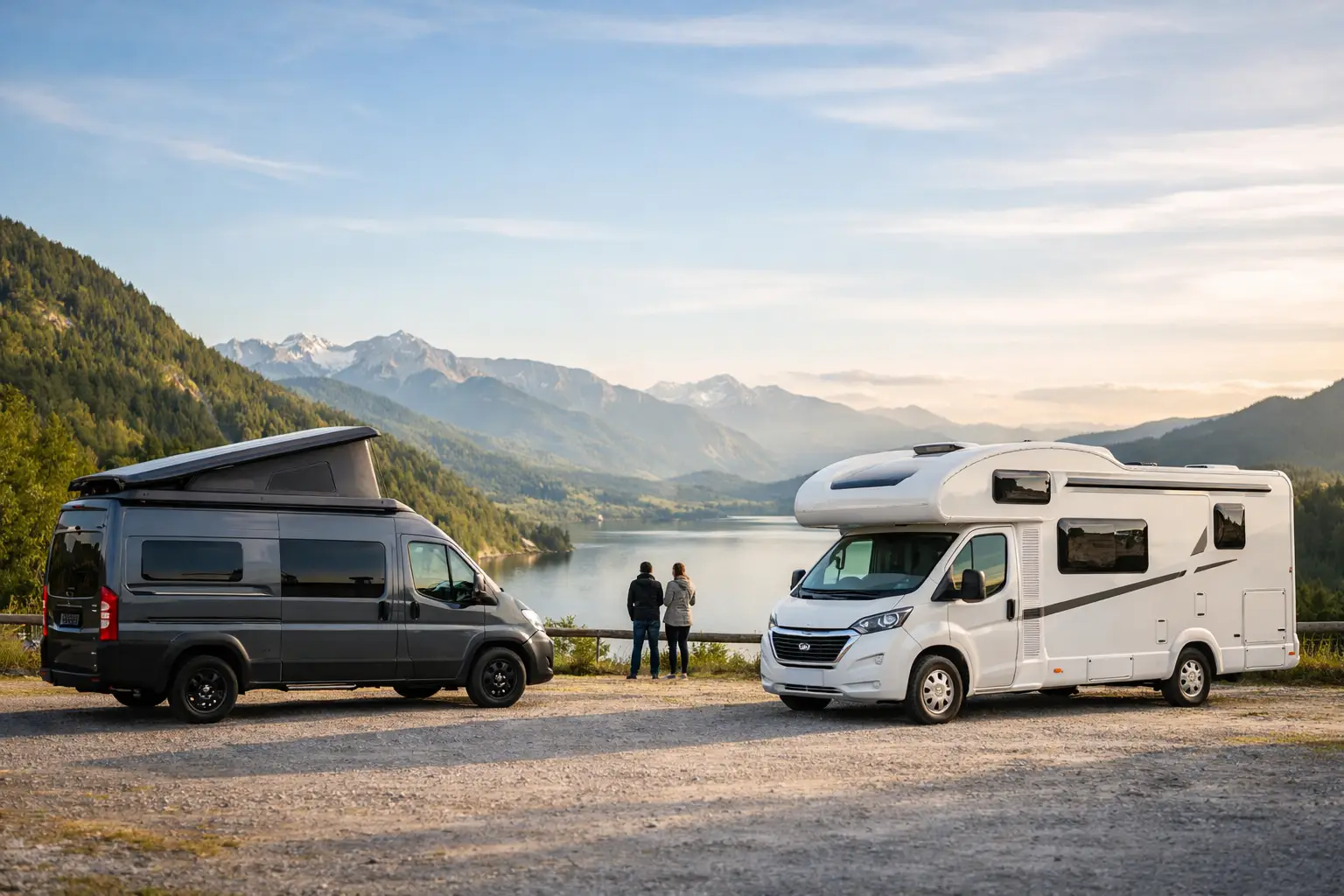
Bear your real plans in mind. For two people with plenty of luggage, a a compact panel van can be ideal. Families often need more sleeping places, storage space and seats with approved seat belts. If you want to stay off-grid for long, look at battery capacity, solar system, tank sizes and heating. There is no best motorhome for everyone – only the right one for your travels.
Judge the price fairly instead of just comparing offers
When buying used, the lowest price is not automatically the best offer. A vehicle with fresh servicing, an inspected gas system, new tyres or a documented moisture check may cost more and still be the better choice economically. So compare equipment, condition and scope of service – not just year of manufacture and mileage.
Popular extras such as an awning, bike carrier, reversing camera, solar system, satellite system or air suspension have their value. But only if they are professionally fitted and suit your needs. A long accessory list is no substitute for a sound body and a clean technical foundation.
Ask specifically what is included in the purchase price. Do a handover inspection, a briefing, a warranty (Gewährleistung) or a new TÜV inspection come with it? Are known defects recorded in writing? Clear answers protect both sides and stop excitement turning into disputes later.
Handover: understand first, then drive off
Even an excellently maintained motorhome needs a good briefing. At handover, have it explained how to operate the heating, fridge, leisure battery, water system and toilet system. Ask about proper winter preparation, permitted payloads and care tips for seals, awning and roof.
Allow plenty of time for this appointment and note down any open questions. With your first own camper especially, the many functions are unfamiliar at first. That is completely normal. What matters is that you drive out of the yard with a good feeling and know whom to contact with technical questions.
Feel free to take an extra day for the decision, but not one look fewer. If documents, inspection, test drive and advice all add up, a used motorhome is no compromise but the reliable starting point for many free kilometres.