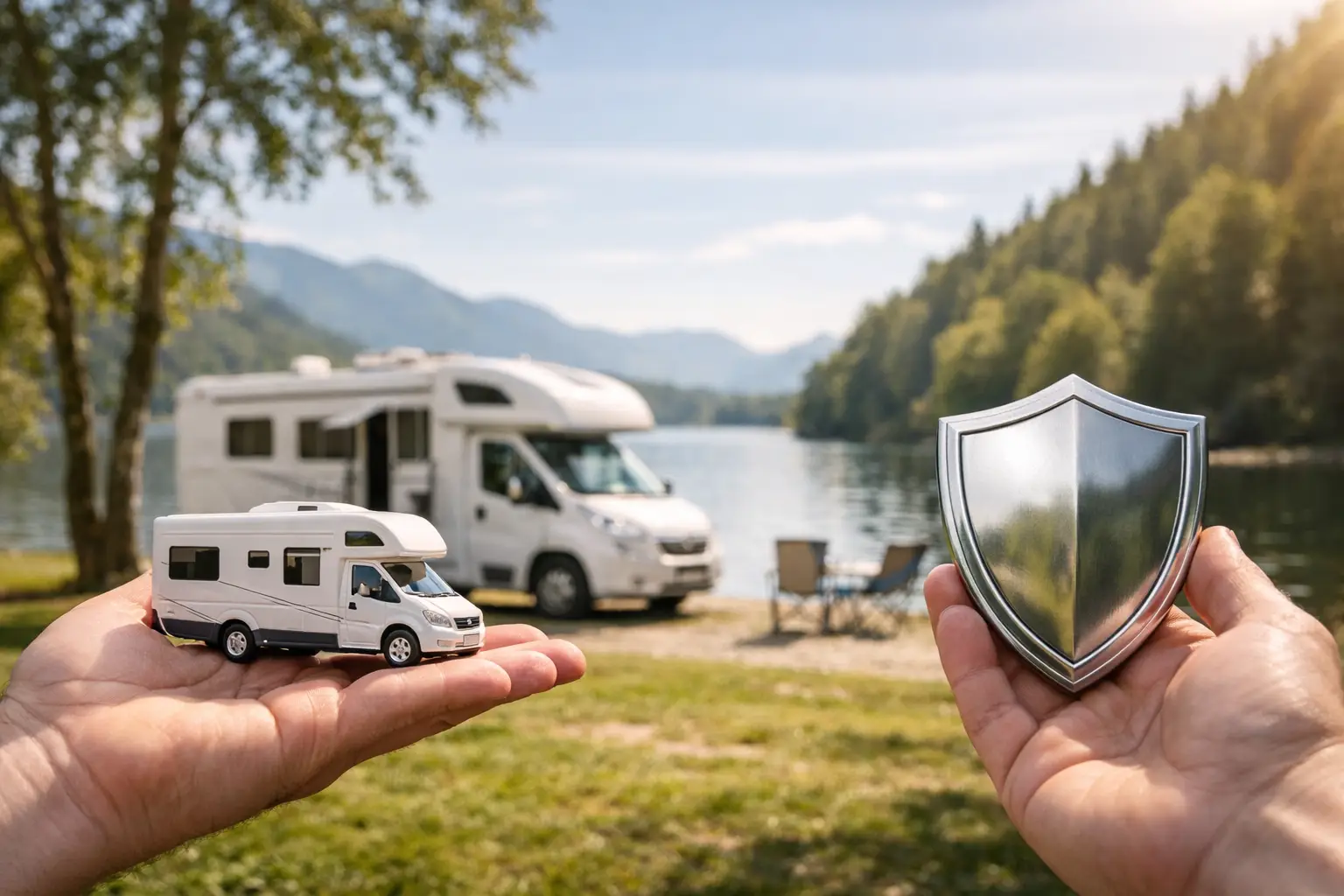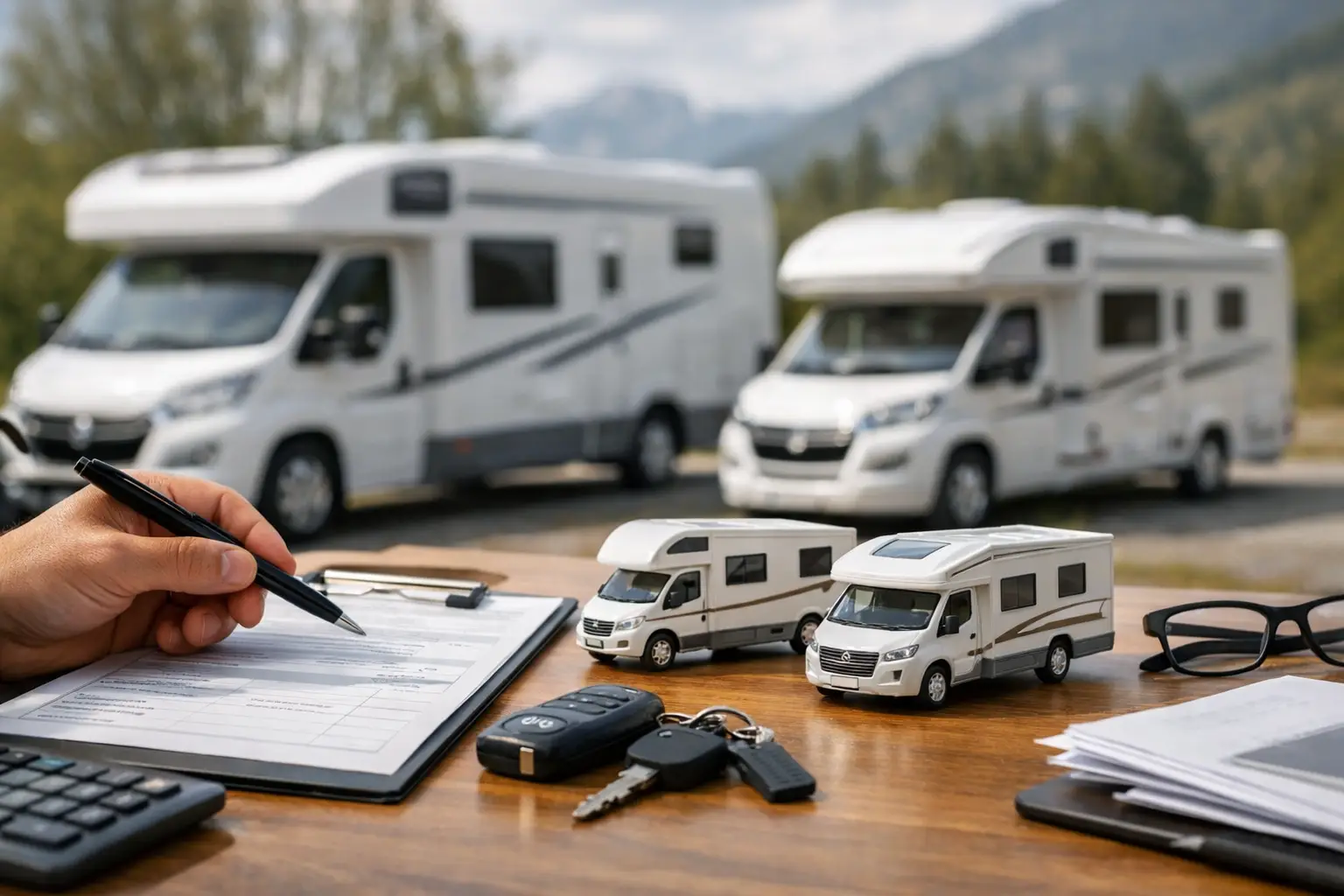
Motorhome Rental: Reducing Your Deductible

A scratch on the awning, manoeuvring damage on the campsite or a stone chip shortly before the return – thoughts like these quickly turn anticipation into uncertainty. If you want to reduce the deductible (Selbstbeteiligung) when renting a motorhome, you shouldn't wait until departure day to look at the insurance documents. With the right cover, an honest look at the terms and a little driving preparation, you can gauge the financial risk much better.
The deductible is not a hidden catch, but a normal part of vehicle insurance. It sets the amount the renter pays themselves in the event of a claim. How high it is, which damage is covered and whether a reduction makes sense always depends on the vehicle, the trip, the insurance package and your personal need for security.
What the deductible means when renting a motorhome
For a rented motorhome, comprehensive insurance is generally agreed. If an insured loss occurs, the insurer in principle covers the damage above the agreed deductible. If it is, for example, €1,500 and the repaired damage costs €3,000, the agreed own contribution remains with the renter. For smaller damage, the costs may also lie entirely within the deductible.
This is to be distinguished from the deposit. It serves as security for the rental company and is paid or reserved when you take over the vehicle. After a proper return, it is released again. If damage occurs, justified claims can be set off against the deposit. Deposit and deductible are therefore closely connected, but not automatically the same amount.
Also important: insurance cover does not mean that literally every incident is covered. Damage caused by gross negligence, refuelling with the wrong fuel, ignoring clearance heights or driving through terrain where it is not permitted may be assessed differently. Reading the rental terms and insurance information before booking is therefore part of travel planning, just like choosing the route.
Motorhome rental: reducing the deductible with the right cover
Many rental companies offer an option that lets you lower the deductible for an additional daily price. This is especially interesting for beginners, families or travellers with a long route through several countries. Even if you are driving a larger vehicle for the first time, a smaller own contribution often feels much more relaxing.
Whether the extra option pays off is not purely a question of price. A week on the Baltic coast with few driving kilometres and fixed pitches carries a different risk from three weeks through narrow mountain villages, Italian old towns and busy coastal roads. If you move the motorhome regularly, take ferries or change location often, you simply face more manoeuvring and traffic situations.
What exactly is being reduced is decisive. Sometimes the reduction applies equally to fully comprehensive and partially comprehensive claims, sometimes different amounts apply. Glass, tyres, underbody, roof, interior or awning can have their own rules. Don't just have the new deductible amount quoted, but ask specifically about the scope.
Another option is external deductible insurance. Under certain conditions, it reimburses the own contribution the rental company charges in the event of a claim. That can look cheaper, but involves a different process: the damage is usually first handled via the rental company and its insurer, and you then submit documents to the external insurer. So check exclusions, maximum reimbursement, proof requirements and the scope abroad carefully. For some trips this works well, while others prefer the direct, clear cover with the rental company.
The cheap rate is not always the more relaxed choice
A low rental price can include a high deductible. That is not bad in principle. If you have a lot of experience with large vehicles, are planning a manageable route and have sufficient reserves, you can deliberately choose a rate with a higher own contribution. The saving on the rental then genuinely stays in your holiday budget.
It looks different if a possible burden of €1,000 or €1,500 would overshadow your holiday. Then a deductible reduction is often more than a comfort. It gives you predictability. Work out the extra charge for the whole rental period and compare it with the amount you would have to bear yourself in the worst case. Not every cover has to be maximal, but it should match your personal risk limit.
Vehicle size plays a part too. A compact panel van feels to many people similar to a large car to drive, whereas a semi-integrated or fully integrated motorhome brings more width, height and overhang. In return, larger models offer more space and comfort for families or longer tours. The right choice is therefore never just a question of insurance, but always an interplay of travel group, route and driving experience.
Avoiding damage: the most effective reduction starts before departure
Insurance protects against costs, but does not prevent hassle or lost time. The typical minor damage in particular can often be avoided with calm and good preparation. Take time for the briefing at the handover. Ask about vehicle height, width, length and the rear overhang. Save these dimensions in your phone or stick them clearly visible in the cockpit.
During the joint vehicle check, existing signs of use should be documented properly. Photos and a handover record create clarity for both sides. Look not only at the bodywork, but also at windows, wheels, awning, bike rack, roof windows and interior. If anything is unclear, raise it straight away.
A few simple habits help on the road: reverse only slowly and ideally with someone guiding you, get out and check once on narrow entrances, watch for low branches and keep the roof height in mind at multi-storey car parks, petrol stations and underpasses. When turning in particular, the larger turning circle needs room. A moment of patience is cheaper than a damaged side wall.
Mishaps also happen when parked. Secure loose items, retract the awning in good time when it is windy and check before setting off that cables, wedges, step and roof hatches are stowed. If you travel with a dog or children, fixed routines help additionally. A joint departure check takes hardly any time and prevents many unnecessary mishaps.
Questions to ask before booking
Good advice makes insurance terms understandable rather than hiding them in the small print. Before reserving, clarify how high the deposit and deductible are, what insurance is already included and whether a reduction can be booked. Also ask who may drive the vehicle, which countries are permitted and what exactly to do in the event of damage.
The rules on glass and tyre damage, theft, natural hazards and damage to the interior or accessories are equally relevant. Especially for the bike rack, awning and camping equipment, a close look is worthwhile. If you travel with several drivers, make sure everyone is entered in the rental agreement in good time. In the event of a claim, a formal detail could otherwise have unpleasant consequences.
At Friedas Camper, transparent processes and personal advice are the focus. That is especially valuable on a first motorhome trip: you can discuss in advance which vehicle suits your route, which cover makes sense and what to look out for at the takeover. That way you don't just reserve a motorhome, but set off into freedom with a clear plan.
Acting calmly and correctly in the event of damage
If something happens despite all caution, the rule is: safety first. Secure the scene, give first aid if needed and call the police or ambulance service if the situation requires it. In an accident involving others, details, photos and an accident report should be recorded carefully. You should not admit liability at the scene.
Inform the rental company as quickly as possible and follow the agreed steps. In the case of burglary, theft or wildlife damage, a police report is often required. Keep receipts, photos and reference numbers. The more complete the documentation, the more straightforward the handling can be.
The best decision on the deductible is the one that means you aren't tense at every tight bend on the road. Before booking, take ten minutes for the rate, the terms and the vehicle size. Then your head stays clear for what a camper holiday is really about: arriving, staying, driving on – entirely according to your own plan.